
The Longevity Room: Architecture’s Next Frontier in Luxury Living
Luxury in 2025/2026 is no longer about marble finishes or sweeping skyline views. A deeper shift is underway: homes are being designed as instruments of health, resilience, and longevity. The most striking expression of this movement is the emergence of the longevity room—dedicated spaces where medical science, biohacking, and architecture converge to help residents live longer, healthier lives.
From Wellness Amenities to Longevity Architecture
Wellness features have been part of luxury homes for decades. Saunas, hammams, massage suites, and gyms offered relaxation and comfort. But today’s high-net-worth residents are no longer satisfied with “spa-inspired.” They want spaces that actively regenerate, repair, and extend life.
The new longevity rooms move beyond comfort. They integrate therapies once confined to hospitals, elite sports facilities, or cutting-edge wellness clinics:
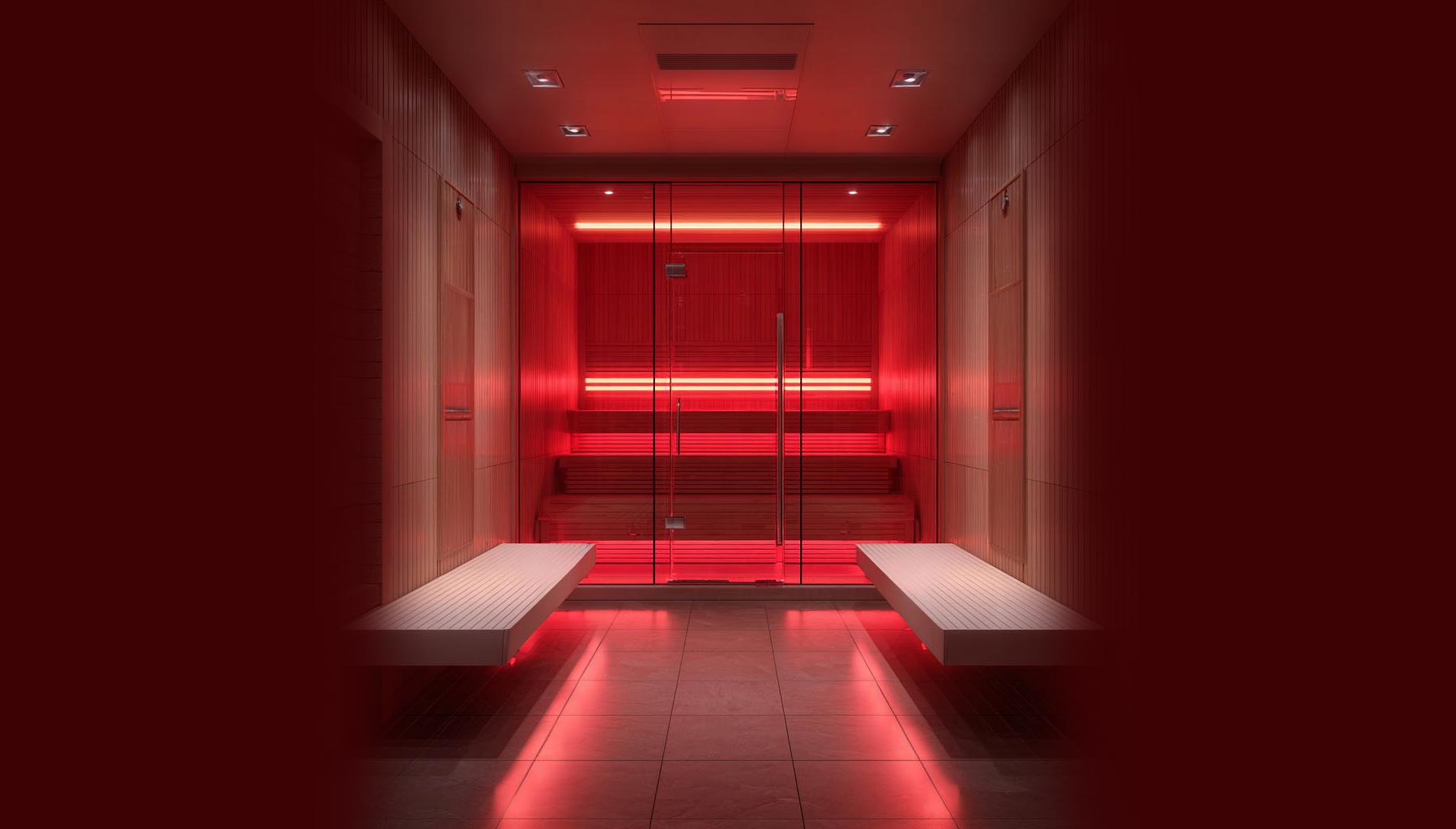
Infrared Beds & Saunas: Widely recognized for boosting mitochondrial function, producing heat shock proteins, and reducing oxidative stress—delaying cellular aging.
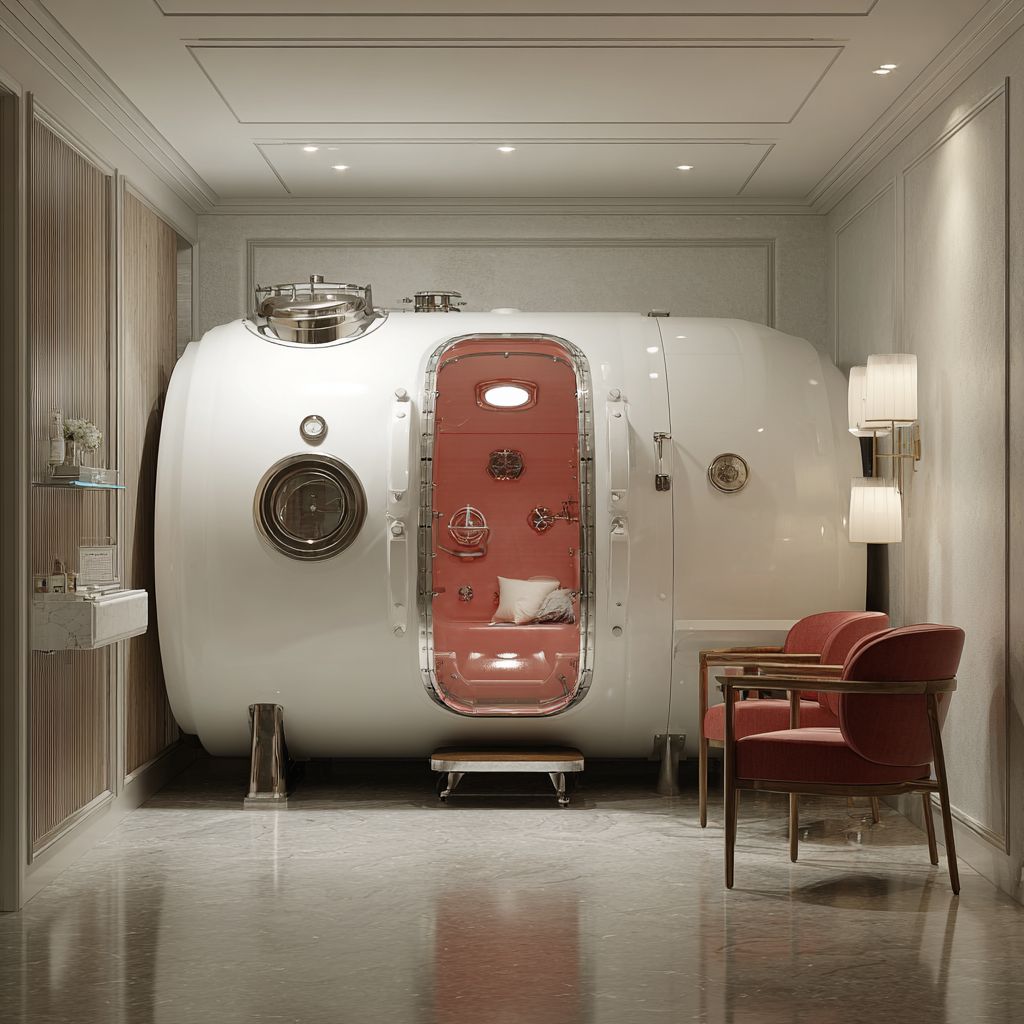
Hyperbaric Oxygen Therapy (HBOT): Popular among athletes and entrepreneurs, HBOT improves cognitive performance, accelerates recovery, and supports long-term vitality.
Cryotherapy & Cold Plunges: Once niche, these are now designed into bathrooms and spa wings, helping residents reduce inflammation, sharpen focus, and strengthen immunity.
Cold Plasma Therapy: A futuristic technology pioneered by HF-Concepts, cold plasma supports skin regeneration, wound healing, and anti-inflammatory effects—turning bedrooms or treatment suites into platforms for cellular repair.
Architectural Integration: Wellness Without Clutter
What separates longevity rooms from earlier trends is integration. These are not machines placed inside rooms; they are systems woven into the structure itself.
Bathrooms as recovery suites: with cryo-showers, plasma mirrors, and oxygen-infused tubs.
Air and water systems: hidden within walls, providing ionized, purified air and mineral-balanced water.
Anti-radiation design: EMF-shielding paints and glazing that reduce exposure to electromagnetic stressors.
Circadian lighting: whole-home illumination systems that adapt to the body’s internal clock, supporting sleep and alertness.
Invisible automation: AI-powered systems that learn resident behavior and adjust climate, acoustics, and energy seamlessly.
Even safety is invisibly integrated. Sensor-enabled living detects falls, tracks posture, and monitors wellness discreetly—particularly relevant for aging residents who want independence without sacrificing health oversight.
Interiors That Heal
The design language of longevity is soft, biophilic, and timeless. Architects and interior designers are rethinking aesthetics to support emotional and cognitive wellness.
Biophilic design: living walls, green roofs, and indoor gardens improve air quality and reduce stress.
Natural materials: stone, bamboo, untreated woods, and non-toxic finishes create restorative atmospheres.
Architectural softness: curved walls, arched thresholds, and organic lines that make spaces feel flowing rather than rigid.
Neutral palettes & textures: earthy tones, embossed finishes, and tactile surfaces that soothe rather than stimulate.
The invisible tech home: cabinetry conceals hardware, charging stations, and control panels—keeping spaces serene and clutter-free.
This creates what some designers call the “invisible clinic”: homes that heal without ever looking like medical facilities.
Beyond the Room: The Longevity Home
Ambitious developers are scaling the concept beyond a single space into entire longevity homes. In these residences, every room contributes to health:
Bedrooms: transformed into sleep sanctuaries, with EMF shielding, oxygen optimization, and noise-proofing.
Living rooms: designed with acoustic wellness, natural soundscapes, and subtle movement-friendly layouts to encourage physical activity.
Kitchens: reimagined as nutritional performance hubs, with appliances designed for nutrigenomic diets and precision cooking.
Outdoor zones: meditation gardens, thermal pools, and barefoot walking paths for natural grounding.
The effect is a continuous wellness journey embedded in everyday routines.
Global Examples: Where Longevity Meets Architecture
While the Middle East is leading with bold developers like Berg, global examples are emerging:
In Los Angeles, luxury mansions now include HBOT chambers and cryotherapy rooms as standard for wellness-conscious buyers.
In Switzerland, alpine chalets integrate circadian lighting and EMF-shielding as part of “bio-luxury packages.”
In Singapore, high-rise penthouses use vertical green walls and air ionization to counteract urban density and pollution.
Each example shows the same principle: longevity is becoming the new measure of luxury.
A Cultural Shift: Health as the New Luxury
The rise of longevity rooms mirrors a larger cultural transformation. For today’s global elite, status is not about excess—it is about performance, resilience, and vitality.
Homes are no longer just safe havens. They are bio-optimized environments that help residents perform at their peak and age gracefully. The architectural conversation is shifting from “how does it look?” to “how does it support life?”
Berg Development: Designing the Future of Vitality
Dubai’s Berg Development has emerged as a leader in this space. Known for sculptural villas on Pearl Jumeirah, Berg is now pioneering longevity architecture—integrating wellness technologies into both dedicated rooms and entire residential ecosystems.
Key elements in upcoming Berg projects include:
Infrared therapy rooms with integrated meditation pods.
HBOT chambers designed into basements as discreet clinical-grade suites.
Bathrooms with cryo-showers and plasma mirrors.
Sensor-rich, AI-managed interiors that anticipate needs before residents articulate them.
The company’s philosophy is clear: predict, don’t follow. Berg doesn’t wait for clients to request longevity features—it designs them into homes as the next chapter of luxury living.
As one insider noted:
“These are not wellness amenities bolted onto luxury villas. These are villas designed from the ground up for longevity.”
Looking Ahead: The Architecture of Sustainable Vitality
The longevity room is more than a feature—it signals the beginning of a new architectural era. One where design, medicine, and technology converge to make health inseparable from the home.
For developers and architects, the question is no longer whether to integrate longevity—but how elegantly and invisibly it can be achieved.
And in this race, Berg Development is already several steps ahead.
Article written by : Glenn Patrick, Managing Director at Berg Development Group
Source: https://shorturl.at/PevJ8